


Can hydroxypropyl methyl cellulose be used as an additive in animal feed?
21 October, 2026
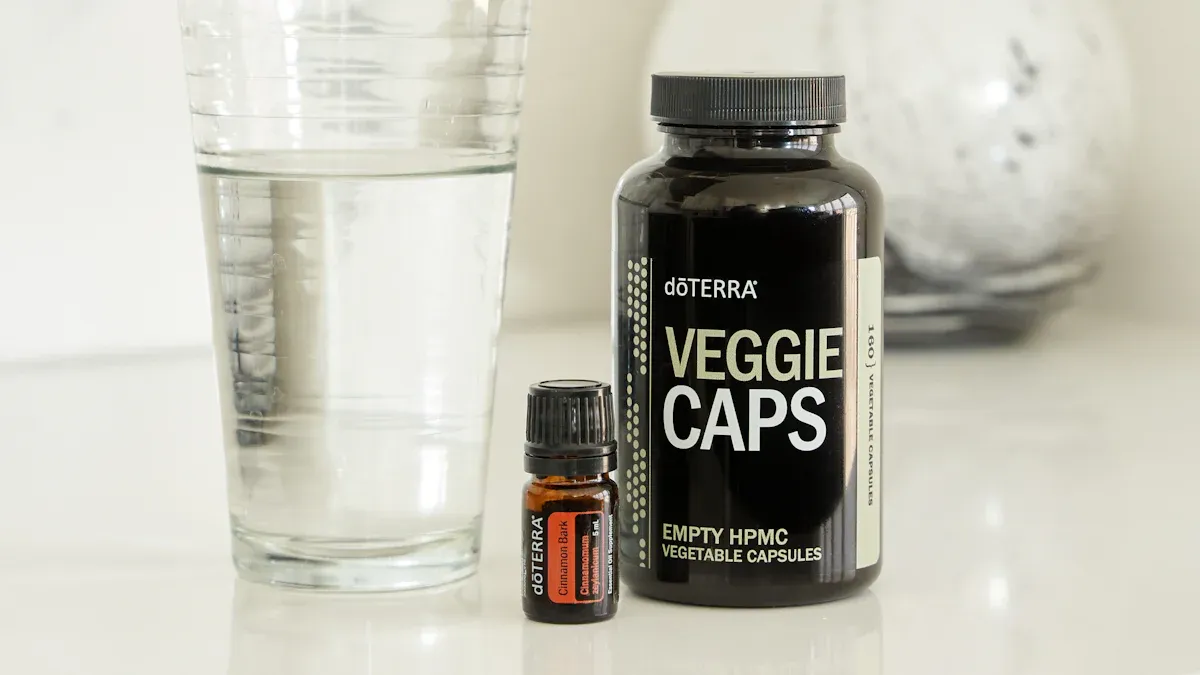
You can feel confident eating food-grade HPMC because major health authorities have approved it for safe use in food. Scientific bodies like the FDA, the European Union, and JECFA have reviewed its safety. Their findings show that this ingredient does not cause toxicity or allergic reactions in most people. The table below highlights their official positions:
| Health Authority | Approval Status | Safety Statement |
| FDA | Approved | Direct and indirect food additive |
| EU | Approved | Approved for use as a food additive |
| JECFA | Evaluated | Acceptable daily intake ‘not specified’; current human intake far below safe levels |
You will find food-grade HPMC in many foods and supplements. Most people experience no side effects, so you do not need to worry about consuming it.
You may wonder what food-grade HPMC actually is. This ingredient stands for hydroxypropylmethylcellulose. Manufacturers create it from cellulose, which comes from plant fibers. During production, they replace some of the natural hydroxyl groups in cellulose with hydroxypropyl and methyl groups. This process uses propylene oxide and methyl chloride. By changing the number of these groups, they can control the properties of the final product. The result is a semisynthetic polymer that looks like a white, odorless powder. You will find that it dissolves easily in water and forms a gel-like texture.
You see food-grade HPMC in many foods because it works well as a food additive. It helps improve texture, stabilize mixtures, and keep ingredients from separating. Regulatory agencies around the world have reviewed its safety and approved its use. Here is how some major agencies classify it:
| Regulatory Agency | Classification | Notes |
| European Union | E464 | Designated as a food additive |
| U.S. FDA | Approved | Safety evaluations conducted |
| JECFA | ADI ‘not specified’ | Indicates high safety margin |
You might also notice that there are different grades of HPMC. Pharmaceutical-grade HPMC must meet stricter standards for use in medicines. Food-grade HPMC follows food safety regulations set by authorities like the FDA. Here is a quick comparison:
| Grade | Regulatory Standards | Safety Considerations |
| Pharmaceutical | Must meet pharmacopoeia requirements (e.g., USP, EP) with high standards | Ensures safety and effectiveness in pharmaceutical use |
| Food-grade | Complies with food additive regulations, varying by region | Approved for safety in food products by authorities |
Tip: When you see E464 on a food label, you know it refers to food-grade HPMC, which helps keep your food fresh and stable.
You can trust that food-grade HPMC does not pose a toxic risk to your health. Scientists have studied this ingredient in both animals and humans. These studies show that it does not cause harmful effects, even at high intake levels. Major health organizations have reviewed these findings and agree on its safety. The table below highlights their conclusions:
| Source | Evidence |
| JECFA (1990) | No ADI set for celluloses, including HPMC, due to low toxicity and negligible absorption. |
| SCF (1994) | No ADI set for celluloses, including HPMC, due to low toxicity and negligible absorption. |
| EFSA AFC Panel (2004) | No ADI set for celluloses, including HPMC, due to low toxicity and negligible absorption. |
| EFSA ANS Panel (2018) | No ADI set for celluloses, including HPMC, due to low toxicity and negligible absorption. |
| FEEDAP Panel | Use of HPMC in animal nutrition poses no concern for consumer safety. |
| Genotoxicity Studies | No concern for genotoxicity from microcrystalline or modified cellulose, including HPMC. |
| NOAEL Studies |
HPMC tolerated up to 10% in rats (9,000 mg/kg bw per day); no adverse effects observed.
|
You will notice that these organizations did not set an acceptable daily intake (ADI) for food-grade HPMC in many cases. This decision means that the ingredient has such a low risk that strict limits are not necessary. Scientists also found no evidence of genetic damage or cancer risk. You can feel confident that food-grade HPMC is non-toxic when used in foods.
Your body treats food-grade HPMC much like dietary fiber. When you eat it, your digestive system does not break it down or absorb it. Instead, it passes through your gut and leaves your body in your stool. Here is what researchers have discovered:
Note: Because food-grade HPMC does not accumulate, you do not need to worry about it staying in your system or causing long-term health problems.
You can rely on the safety of food-grade HPMC because top health authorities have reviewed and approved it. These organizations include the FDA in the United States, EFSA in Europe, and JECFA internationally. Their reviews cover toxicology, digestion, and long-term effects. Here is a summary of their findings:
| Regulatory Body | Findings |
| FDA | Recognized HPMC as a Generally Recognized As Safe (GRAS) substance. |
| EFSA | Concluded HPMC is safe for all animal species and poses no concern for consumer safety. |
| JECFA | Evaluated HPMC as a food additive, confirming its safety. |
The FDA has issued notices confirming the safety of hydroxypropyl methyl cellulose as a food additive. JECFA set an acceptable daily intake (ADI) of 75 mg per kilogram of body weight, based on extensive toxicological studies. Most people consume far less than this amount in their daily diet.
You may notice that different countries have their own rules for food-grade HPMC. The FDA, EFSA, and JECFA each set standards for safety, quality, and labeling. These regulations help protect you and ensure that the food you eat meets strict safety requirements.

You can trust that the safety of food-grade HPMC starts with strict production standards. Manufacturers select raw materials like wood pulp or cotton that meet high purity requirements. They test these materials before using them in production. During manufacturing, they use an etherification reaction to create the right chemical structure. This step happens under carefully controlled conditions, such as specific temperatures and pressures.
Manufacturers also focus on removing impurities. They use purification and washing steps to make sure the final product is safe for you to eat. Throughout the process, they monitor important factors to keep everything consistent. Here are some key quality control measures:
Manufacturers also pay attention to the environment. They use renewable resources when possible and work to reduce waste and emissions. Some companies recycle HPMC waste to help protect the planet.
Before food-grade HPMC reaches your table, it must pass strict purity tests. These tests check for unwanted substances and make sure the product meets standards set by groups like the FDA and EFSA. Only HPMC that passes these tests can be used in food.
Purity testing includes:
You can feel confident that every batch of food-grade HPMC goes through these steps. This careful approach helps keep your food safe and high in quality.

You probably eat foods with food-grade HPMC more often than you realize. This ingredient helps improve texture, stability, and shelf life in many products. You can find it in a wide range of foods that you see every day. Here are some common examples:
Tip: If you check food labels, you might see it listed as E464 or hydroxypropyl methylcellulose.
You do not need to worry about eating too much food-grade HPMC in your daily diet. Health authorities have studied how much people usually eat and found that typical amounts are far below any level that could cause harm. The FDA and JECFA have both reviewed intake data and set safe guidelines.
| Age Group | Estimated Daily Intake (mg/kg body weight) | Safety Margin |
| Children | 5–20 | Well below safe limit |
| Adults | 10–30 | Well below safe limit |
Most people eat less than 30 mg per kilogram of body weight each day. This amount is much lower than the levels used in safety studies. You can feel confident that the foods you eat with this ingredient are safe.
Most people can eat food-grade HPMC without any problems. You will likely not notice any side effects when you consume it in normal amounts. However, a small number of people may experience mild digestive issues. These effects can include:
These symptoms usually appear only if you eat large amounts of HPMC. Your body does not digest this ingredient, so it acts like fiber. If you are not used to eating much fiber, you might notice these effects more. Most people find that these symptoms go away as their bodies adjust.
Allergic reactions to food-grade HPMC are extremely rare. If you notice itching, swelling, or trouble breathing after eating foods with HPMC, you should seek medical help right away.
You may need to be more careful with food-grade HPMC if you have certain health conditions. Some people have a higher risk of side effects or complications. Health professionals offer the following advice:
Health professionals highlight several potential health risks associated with food-grade HPMC consumption, including gastrointestinal blockages, allergic reactions, and impacts on nutrient absorption. They recommend following dosage instructions, consulting healthcare providers for concerns, and being aware of allergies to HPMC.
You should talk to your doctor if you have a history of digestive problems, such as bowel blockages or chronic constipation. People with allergies to cellulose-based products should also avoid HPMC. Children, older adults, and people with special medical needs may need extra caution.
If you take medications that rely on nutrient absorption, ask your healthcare provider if HPMC could affect your treatment. Always follow the serving sizes listed on food labels. If you have any concerns, a healthcare professional can help you decide what is safe for you.
You can trust food-grade HPMC because experts and authorities worldwide confirm its safety. The table below highlights key reasons:
| Key Point | Description |
| Non-toxic nature | Food-grade HPMC is recognized as non-toxic and safe for consumption. |
| Compliance with regulations | Approved by major food safety authorities, meeting strict standards. |
| Dietary compatibility | Suitable for vegan, vegetarian, halal, and kosher diets. |
You should always talk to your healthcare provider if you have specific health concerns.
Yes, you can safely eat food-grade HPMC if you follow a vegan diet. Manufacturers make it from plant cellulose. It does not contain animal products or common allergens.
You can use food-grade HPMC in gluten-free baking. It helps give bread and cakes structure and softness. Many gluten-free products rely on it for better texture.
You will not notice any taste from food-grade HPMC. It is tasteless and odorless. It only changes the texture or stability of foods, not the flavor.
Look for “hydroxypropyl methylcellulose” or “E464” on ingredient lists.
You may also see it listed as “cellulose gum” in some products.


