


Can hydroxypropyl methyl cellulose be used as an additive in animal feed?
21 October, 2026
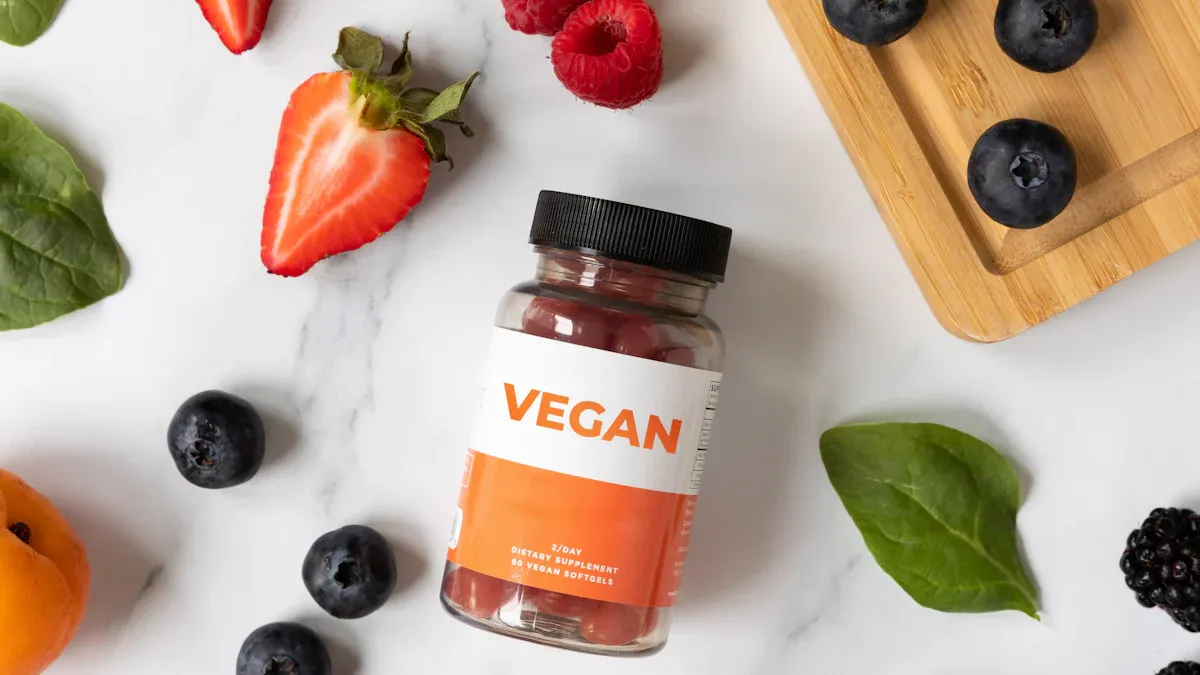
You may ask if hydroxypropyl methylcellulose vegan (HPMC) is suitable for your lifestyle. Yes, it is! HPMC comes from plants and is used in food, supplements, and cosmetics. It is made from cellulose, a fiber found in plants. Because it is vegan, many people who avoid animal products appreciate it. HPMC replaces ingredients from animals and fits ethical diets. Since it is used more now, you can trust hydroxypropyl methylcellulose vegan products in your daily life.
Hydroxypropyl methylcellulose (HPMC) is made from plants. It comes from cellulose, a natural fiber in wood and cotton. HPMC is a modified form of cellulose with a changing structure. Its formula is often written as C56H108O30. The way it is changed affects how it works. These changes make HPMC useful for many purposes.
HPMC is a vegan option instead of animal-based ingredients like gelatin. It is used in food, cosmetics, and medicine. It works as a thickener, stabilizer, and emulsifier. In food, it is called E464 and is found in vegan products.
| Aspect | Details |
| Definition | HPMC is a plant-based cellulose product. |
| Vegan Classification | It has no animal ingredients, so it is vegan-friendly. |
| Uses in Food Industry | Helps thicken, stabilize, and mix vegan foods. |
| Sources | Made from wood or cotton fibers. |
| Importance of Certification | some brands may add other things; check for vegan labels. |
HPMC is important for vegan and plant-based items. It replaces animal-based ingredients to keep products vegan. For example, it can replace gelatin in capsules and desserts.
In food, HPMC improves texture, keeps things stable, and makes them last longer. It is helpful in gluten-free baking to keep moisture and improve baked goods. You can also find it in vegan cosmetics. It thickens and stabilizes without using animal parts.
HPMC is very useful for making good vegan products. It keeps things consistent, improves texture, and helps products last longer. This ensures plant-based items meet what people want.
Hydroxypropyl methylcellulose (HPMC) is made by changing plant fibers. These fibers come from wood or cotton. First, cellulose is treated with chemicals like caustic soda, methyl chloride, and propylene oxide. This changes the fiber structure and gives HPMC its special features.
The process includes tests to ensure quality. For example, a 2% solution at 20°C has a viscosity of 1,250 mPa·s. The ash content is kept low at 0.23% by weight for purity. Below is a table showing key steps and their measurements:
| Step | What Happens | Measured Results |
| Alkylation | Cellulose treated with chemicals. | Methoxy DS: 1.83, MS: 0.57 |
| Viscosity | Thickness of a 2% solution at 20°C. | 1,250 mPa·s |
| Ash Content | Final product’s ash level. | 0.23% by weight |
| Transmittance | Clarity of a 2% solution at 30°C. | 99.0% at 720 nm |
| Particle Size | Size of insoluble fibers. | 10 fibers, 16–200 μm |
| Water Content | Water in the washed product. |
53.5% by weight
|
These steps make sure HPMC is high-quality and safe for food, cosmetics, and medicine.
HPMC comes from cellulose, a fiber found in plants. Manufacturers use wood pulp or cotton because they are renewable and easy to find. This makes HPMC a good choice for vegan products.
Unlike ingredients from animals, plant cellulose is ethical and reliable. The process avoids animal products, keeping HPMC vegan-friendly. Many people choose HPMC for vegan solutions in their daily lives.
You might wonder how HPMC stays free of animal materials. The process is designed to avoid anything from animals. From start to finish, every step follows vegan rules.
Tests are done to check purity and quality. For example, transmittance is measured at 99.0% for a 2% solution. Fiber sizes are also checked to meet standards. These tests prove the product is vegan.
Some brands get certifications to show their products are vegan. Labels like “Certified Vegan” mean the product meets ethical and plant-based standards. You can trust these products to fit your values.
Have you noticed how some vegan foods feel smooth or last longer? Hydroxypropyl methylcellulose helps make this happen. It works as a thickener, stabilizer, and emulsifier in plant-based foods.
This ingredient is very helpful in gluten-free baking. It holds moisture and strengthens baked goods so they don’t fall apart. By using hydroxypropyl methylcellulose, vegan food makers can create better products that meet your needs.
If you take vegan vitamins, you’ve probably seen hydroxypropyl methylcellulose in capsules. These capsules are made from plants, so they are great for vegans and vegetarians.
HPMC capsules stay stable and keep out moisture, protecting the supplements inside. They are also free of allergens like gluten, soy, and dairy, making them safe for people with special diets.
Another benefit of HPMC capsules is they protect ingredients that don’t like moisture. This keeps the vitamins strong and safe for a long time. Because of these benefits, HPMC capsules are a top choice for vegan supplements.
Hydroxypropyl methylcellulose is also used in makeup and medicine. In makeup, it thickens products like concealers, foundations, and mascaras. It makes them easier to use and helps them stay on your skin.
In medicine, HPMC is used in tablets and coatings for slow release. This helps medicines dissolve at the right time, making them work better. Whether in makeup or medicine, hydroxypropyl methylcellulose vegan products are safe and ethical choices for everyone.
You might ask if hydroxypropyl methylcellulose is really vegan. The answer depends on how it’s made and its ingredients. This substance comes from cellulose, a fiber found in plants like wood and cotton. Manufacturers change cellulose to make hydroxypropyl methylcellulose, keeping it plant-based during production.
These points show that hydroxypropyl methylcellulose fits vegan standards. Its plant origin and animal-free process make it a good choice for vegans.
Labels and certifications help you find vegan products. Hydroxypropyl methylcellulose often meets vegan labeling rules. For example, HPMC capsules are known as vegan because they come from cellulose and have no animal parts.
| Proof Type | Details |
| Growing Demand | More people want HPMC capsules for plant-based options. |
| No Animal Ingredients | HPMC capsules are made from cellulose, proving they are animal-free. |
| Diet-Friendly | These capsules work for vegan and vegetarian diets. |
You’ll see hydroxypropyl methylcellulose in vegan-certified items like supplements and cosmetics. Labels like “Certified Vegan” or “Plant-Based” mean the product meets vegan rules. Always check these labels to match your values.
Picking hydroxypropyl methylcellulose supports ethical choices. Using plant-based ingredients avoids supporting industries that harm animals. HPMC is a better option than gelatin, which comes from animals and is used in capsules and food.
HPMC also helps the environment. Since it’s made from plants, it reduces the need for animal farming, which harms the planet. Choosing HPMC products supports a kinder and greener lifestyle.
Tip: Look for vegan-certified labels to ensure products match your ethical beliefs.
Are there other plant-based options besides hydroxypropyl methylcellulose? Yes, there are! These substitutes come from plants and are safe to use.
These choices offer plant-based solutions for vegan products. They help meet dietary needs and preferences.
How does hydroxypropyl methylcellulose compare to these substitutes? It works well in many uses. For example, it helps in bone healing and drug delivery systems. Its bioadhesive properties make it effective in medicine.
Compared to options like methylcellulose or agar-agar, HPMC has unique benefits. It blocks water vapor, making it great for moisture-resistant uses. But substitutes like pectin or guar gum are better for simpler tasks, like thickening sauces or stabilizing drinks.
Each option has its own strengths. The best choice depends on what the product needs.
Choosing the right substitute depends on what you need it for. Methylcellulose is good for binding plant-based meats. Agar-agar or pectin work well in desserts or jellies. Guar gum is great for soups or sauces.
Tip: Check labels to ensure the ingredient fits your diet and values. Look for certifications like “Vegan” or “Plant-Based” to confirm it matches your ethical standards.
Knowing the strengths of each option helps you choose wisely. This ensures your vegan lifestyle stays intact while keeping product quality high.
To find hydroxypropyl methylcellulose (HPMC), check the ingredient list. It may be listed as “E464” or its technical name. Look for these terms to confirm it’s included.
Ingredients are listed by amount. If HPMC is near the top, it’s a key part of the product.
Tip: Watch for words like “cellulose derivatives” or “plant-based stabilizers.” These often mean HPMC or similar vegan-friendly items.
Sometimes, HPMC has other names. Learn these terms to avoid confusion. This helps you pick vegan products wisely.
Labels make finding vegan products easier. Certifications like “Certified Vegan” or “Plant-Based” mean no animal ingredients are used.
| Certification Label | What It Means | Where to Find It |
| Certified Vegan | No animal parts or testing involved. | Found on food, cosmetics, and capsules. |
| Plant-Based | Made only from plants. | Common on snacks and supplements. |
| Cruelty-Free | No animal testing during production. |
Seen on skincare and cosmetics.
|
These labels save time and give confidence. Products with these certifications match vegan values.
Note: Some vegan items don’t have labels. If there’s no certification, check the ingredient list carefully.
If labels don’t explain enough, contact the company. Ask about HPMC sources and how it’s made.
Here are good questions to ask:
Tip: Many companies reply quickly to emails or social media messages.
Asking these questions ensures the product fits your vegan values. It helps you choose ethical brands confidently.
Hydroxypropyl methylcellulose (HPMC) is great for plant-based living. It comes from cellulose, which is found in plants. HPMC has no ingredients from animals, making it vegan-friendly. It is used in food, supplements, and cosmetics. For example, HPMC capsules are popular with people avoiding animal products. The vegan supplement market may grow to $15.57 billion by 2024. This shows more people want ethical and sustainable choices.
Choosing HPMC products supports your values and plant-based lifestyle. Always check labels to confirm they match your ethical beliefs. Picking the right products helps you enjoy vegan options and support a greener future.
HPMC is made from cellulose, a fiber in plants like wood and cotton. Manufacturers change cellulose to make HPMC, keeping it vegan and plant-based.
Yes, HPMC is safe to eat. Groups like the FDA approve it for food use. It helps make vegan and gluten-free foods thicker and better in texture.
Yes! HPMC is a great substitute for gelatin in capsules. It’s plant-based, allergen-free, and perfect for vegans and vegetarians.
Check for names like “Hydroxypropyl Methylcellulose,” “E464,” or “cellulose derivatives.” Vegan labels also show the product uses plant-based ingredients like HPMC.
Yes, HPMC is eco-friendly. It comes from renewable plants, reducing animal farming needs. Choosing HPMC products supports ethical and green practices.
Tip: Look for vegan certifications to ensure the product matches your values.


