


Can hydroxypropyl methyl cellulose be used as an additive in animal feed?
21 October, 2026
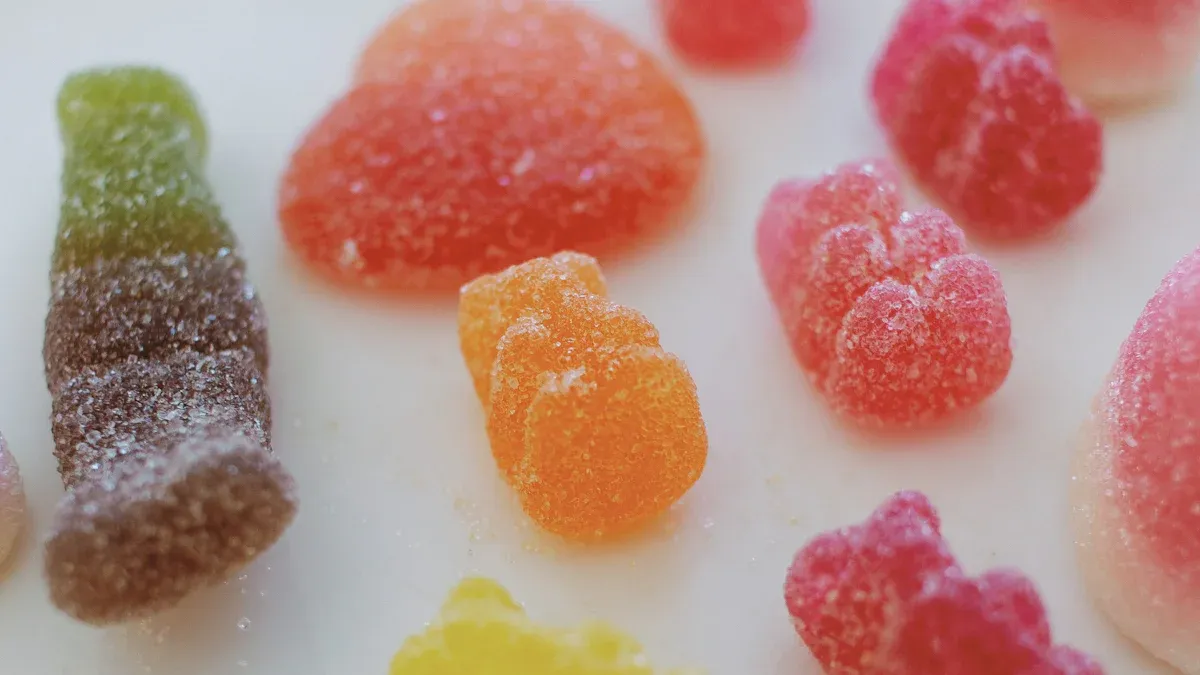
You may notice more food products using HPMC instead of gelatin. HPMC stands as a proven alternative for people who want plant-based or allergen-free options. Many people now choose ingredients that offer better stability and suit different diets. The market for HPMC capsules shows strong growth:
When you see hpmc replace gelatin, you might wonder about changes in texture or how to prepare these foods. You can find answers to these concerns with the right information.
You might ask what HPMC means. HPMC stands for hydroxypropyl methylcellulose. It comes from cellulose, which is a fiber in plants. Scientists change cellulose by adding methoxy and hydroxypropyl groups. These changes help HPMC mix well with water. HPMC also helps control how thick or sticky food gets.
Here is a table that lists the main features of HPMC:
| Component | Description |
| Name | Hydroxypropyl Methylcellulose (HPMC) |
| Source | Modified cellulose ether from natural fibers |
| Chemical Modifications | Hydroxyl groups replaced by methoxy and hydroxypropyl |
| Properties | Improved solubility, viscosity control, hot glue properties |
There are different types of HPMC. Some types have more hydroxypropyl, so they dissolve faster in water. Others have more methoxy, so they do not dissolve as fast but make foods thicker. HPMC works as a stabilizer, thickener, and emulsifier. You can find it in foods like sauces, desserts, and dairy-free products. It helps keep food smooth and stable.
HPMC comes from natural things. Companies use good cellulose from wood pulp or cotton linters. They do these steps:
Food grade HPMC is safe to eat. It follows strict rules from food safety groups. In the United States, the FDA says HPMC is Generally Recognized as Safe (GRAS). Other countries also say HPMC is okay for food.
HPMC is in many foods because it makes texture, shelf life, and stability better. If you see hpmc instead of gelatin, you can know it comes from safe and natural sources.
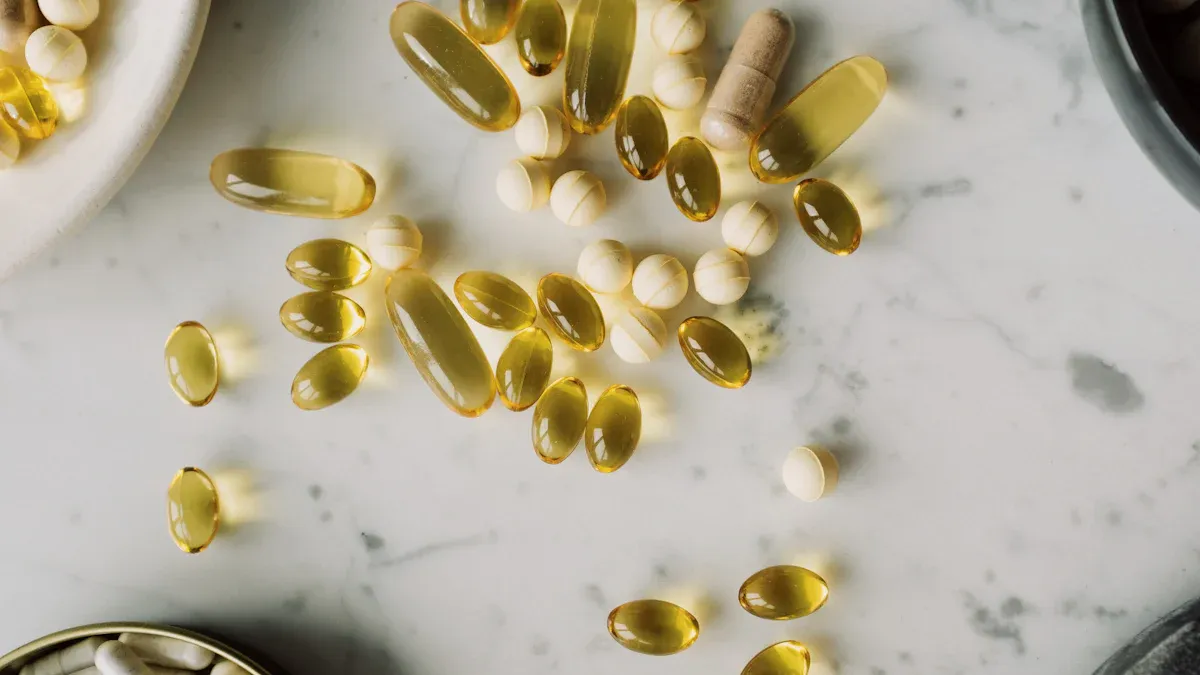
When you compare how hpmc and gelatin work in food, you notice some big differences. Both help foods get thick or form gels, but they do not work the same way. Gelatin comes from animals and makes a gel when it cools down. HPMC comes from plants and forms a gel when it gets hot. This lets you use HPMC in foods that need to stay firm at higher temperatures.
How they dissolve is also different. HPMC mixes well with water at many pH levels. Gelatin does not dissolve as well in very sour or basic conditions. The table below shows how each one acts in different situations:
| Condition | HPMC Solubility | Gelatin Solubility |
| pH 1.2 | High solubility | Limited solubility due to entangled structure |
| pH 4.6 | Moderate solubility | Significant differences in viscoelasticity |
| pH 5.2 and 6.0 | Increased transparency observed | Enhanced solubility |
| Low Concentration | Strong aggregation below pH 4.8 | Inhibited drug release |
How much water they hold is important for keeping food fresh. HPMC capsules have only 2-6% moisture. Gelatin capsules have 13-16% moisture. This means HPMC keeps out water better and helps food last longer. In humid places, HPMC does not get hard or break like gelatin. HPMC works well with ingredients that are sensitive to water because it is a non-ionic polymer.
Tip: If you want food to stay good in heat or wet air, HPMC is often better than gelatin.
You can use HPMC instead of gelatin in many foods. This works for gummies, jellies, capsules, and edible films. When you use HPMC in edible films, they get stronger and bend more without breaking. For example, mixing HPMC with carboxymethyl cellulose (CMC) makes films that stretch better and block water more than films with only gelatin. The best mix is 3 parts HPMC to 7 parts CMC. This gives the strongest film and stops the most water from passing through. Tests show these films have better hydrogen bonds and can handle heat better.
| Application Area | Findings |
| Edible Films | HPMC used with CMC enhances mechanical and barrier properties of gelatin-based films. |
| Optimal Ratio | The 3:7 ratio of HPMC to CMC resulted in the highest tensile strength and lowest water vapor permeability. |
| Structural Analysis | FTIR showed enhanced hydrogen bonding; SEM and TGA confirmed improved thermal stability. |
You can also mix HPMC with gelatin to make new materials. These blends use the best parts of both. For example, adding gelatin to HPMC helps it handle heat better and changes how it deals with water. The table below shows how these blends work:
| Performance Characteristic | Description |
| Thermal Stability | The addition of gelatin significantly improves the thermal stability of HPMC. |
| Mechanical Properties | The mechanical properties are influenced by gelatin content, with a notable tensile strength in the Gel/HPMC blend (5/5). |
| Hydrophilic Performance | The hydrophilic property of HPMC is enhanced with gelatin, indicating better moisture management. |
| Structural Characteristics | The chemical structure of HPMC changes slightly when blended with gelatin, affecting overall performance. |
| Suitability for Food Packaging | HPMC/Gel blended films show potential as alternatives to traditional packaging due to their excellent properties. |
If you want to see hpmc replace gelatin in your food, you can use it alone or mix it with gelatin. This gives you more ways to control texture, water, and how long food stays good. That makes HPMC a great choice for many new food products.
Some people want food that matches their beliefs. HPMC comes from plants, not animals. This is good for vegetarians and vegans. Many people now look for plant-based foods and supplements. Here are some reasons people pick HPMC:
HPMC helps the environment. It uses plants, so it is better for nature than animal gelatin. You also avoid health problems linked to animal products, like some diseases.
Some people worry about allergies in food. HPMC is safe for most people. It does not have dairy, soy, gluten, or other common allergens. You can use HPMC if you have allergies or avoid animal foods. HPMC follows strict rules for vegetarian, halal, and kosher diets. It is non-GMO and hypoallergenic, so many people can use it.
HPMC helps keep food fresh. It blocks water better than gelatin. You can see this in the table below:
| Property | HPMC Capsules | Gelatin Capsules |
| Moisture Sorption Ability | Weaker | Higher |
| Moisture Keeping Ability | Lower | Higher |
| Stability at Low Moisture | Stable at 2% MC | Fragile below 13% MC |
HPMC does not need water to stay strong. It stays flexible even in dry air. This helps protect foods that spoil fast. HPMC works well at different temperatures and pH levels. Your products last longer with HPMC.
You may want to add vitamins or probiotics to food. HPMC works well with these sensitive ingredients. Studies show HPMC coatings keep over 95% of probiotics alive and help control vitamin B12 release. This means HPMC protects important nutrients during making and storing food.
If you want to use hpmc instead of gelatin, you get a plant-based, allergen-free, and stable ingredient that works in many recipes.
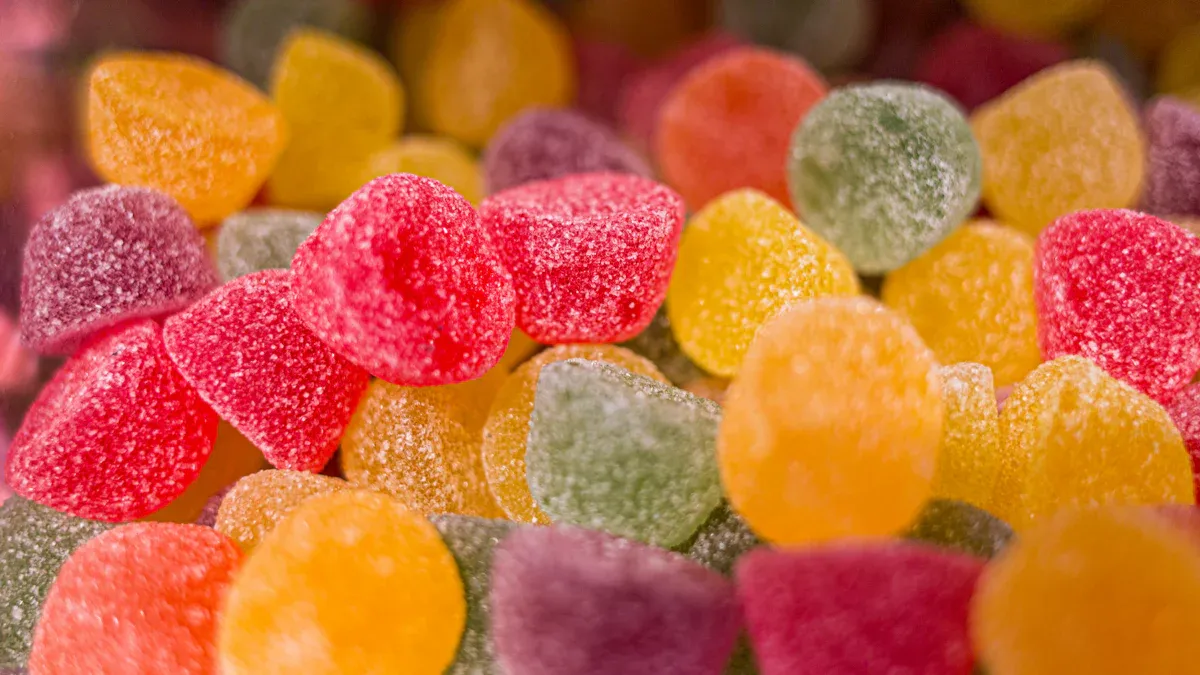
You can use HPMC to make gummies and jellies that fit plant-based diets. When you want hpmc replace gelatin in these treats, you get a chewy texture that holds up well in warm weather. Start with a 1:1 ratio by weight when swapping gelatin for HPMC. You may need to adjust the amount based on the firmness you want. HPMC works best with sugar syrups and fruit juices. It helps keep gummies from melting or sticking together.
HPMC gives you smooth and stable desserts like puddings and custards. You can use it to thicken and set dairy-free recipes. To get the best texture, follow these steps:
This process helps you avoid lumps and get a creamy dessert every time.
HPMC capsules work well for vitamins and supplements. They protect sensitive ingredients and do not depend on animal products. You may notice that HPMC capsules dissolve the same way in your stomach, no matter the pH. Gelatin capsules can act differently depending on the pH. The table below shows the differences:
| Capsule Type | Dissolution Characteristics | Stability | Gelling Agents |
| HPMC | pH independent disintegration, superior performance in dissolution | High | None |
| Gelatin | Dependent on pH, variable performance | Moderate | Present |
When you use HPMC capsules, you may need to adjust your equipment. HPMC capsules have less elasticity, so you might need to fine-tune the locking system. They can also create more dust, so regular cleaning helps keep machines running well.
You can get the best results with HPMC by following a few tips:
When you let hpmc replace gelatin in your recipes, you open up new options for plant-based and stable foods. You can enjoy treats and supplements that fit your needs and last longer.
If you use HPMC instead of gelatin, the texture will change. Gelatin makes food soft and bouncy. It melts in your mouth. HPMC makes food firmer and more elastic. Foods with HPMC feel chewier and stretchier. They also dissolve in your mouth in a different way.
Here is a table that compares HPMC-based films and gelatin-based films:
| Property | HPMC-based Films | Gelatin-based Films |
| Enthalpy of Fusion | Decreased | Not specified |
| Melting Temperature | Decreased | Not specified |
| Elongation | Increased | Not specified |
| Hydrophilicity | High | Not specified |
| Water Solubility | High | Not specified |
| Tensile Strength | Increased | Not specified |
Note: Foods with HPMC are firmer and more elastic. You may need to change your recipe to get the texture you want.
HPMC does not taste or smell strong. It will not change the flavor of your food. The texture is different, so flavors may come out slower. Gelatin melts fast and releases flavors quickly. HPMC holds its shape longer, so flavors take more time. You might need to add more flavor or change your recipe to get the taste you want.
Using HPMC can be harder than using gelatin. HPMC does not gel at room temperature. You need heat or other gelling agents to make it set. Mixing and setting may take longer. Sometimes, you see big weight changes or slow dissolving, especially in sour foods. You may need to try new ways to get good results.
Tip: Try making small batches first. Test your process and change mixing times, temperatures, or gelling agents to make your product better.
If you know these differences, you can make better choices with HPMC. Testing and changing your process helps you get the best results.
You can pick HPMC instead of gelatin for food. HPMC is plant-based and does not cause allergies. It is stable and safe to use. You do not have problems from animal products. You also make better choices for animals and the planet.
| Concern Type | HPMC Advantages |
| Safety | Stops animal disease risks |
| Health Compatibility | Safe and fits health needs |
| Ethical Considerations | Better for nature and more ethical |
| Performance |
Works well in many storage places
|
You can use HPMC in gummies, baked treats, spreads, and capsules. Try new recipes and see how HPMC changes texture and keeps food fresh longer. HPMC works for many foods and helps make them safer and easier to use.
Yes, you can swap HPMC for gelatin in most recipes. You may need to adjust the amount and mixing method to get the texture you want.
HPMC does not add flavor or smell. Your food keeps its original taste. You might notice a slower release of flavors compared to gelatin.
You can use HPMC if you have allergies. It does not contain dairy, gluten, soy, or animal products. Most people tolerate it well.
Tip: Add HPMC slowly to hot water while stirring. Let it rest for full hydration. Mix again for a smooth result.


