


Can hydroxypropyl methyl cellulose be used as an additive in animal feed?
21 October, 2026
You can trust hypromellose capsules to be safe. They are not toxic. The U.S. Food and Drug Administration approves them. The European Medicines Agency also approves them. These capsules are used in medicines and supplements. Many companies pick these capsules for their products. They are good for vegetarians and vegans. People use these capsules a lot in North America. They are popular in Europe and Asia-Pacific too. Asia is seeing strong growth in use.
If you worry about your health, ask your doctor first before taking any supplement.
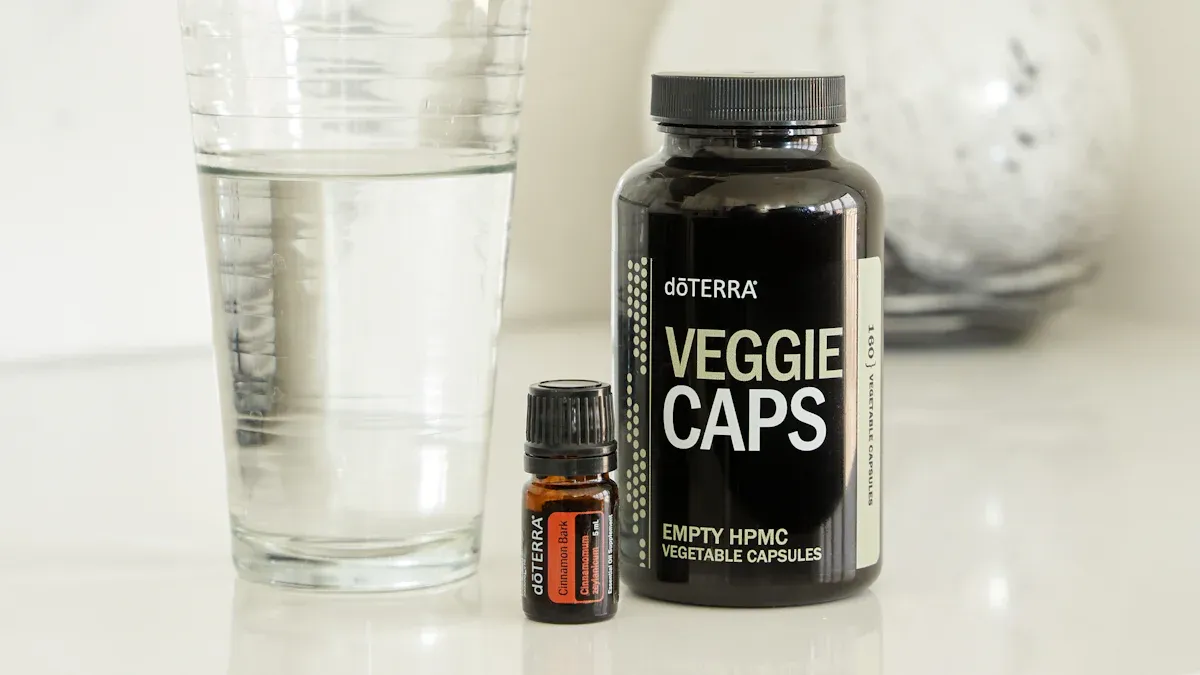
You may ask if hypromellose capsules are safe. Most health experts say they are safe. Scientists have studied these capsules for years. They tested them on animals and people. They checked for harm, even with big doses. The tests did not show any serious problems. The FDA, EFSA, and JECFA all say these capsules are safe for food and medicine.
Hypromellose capsules do not get absorbed by your body. Your body gets rid of them as they are. They do not build up or cause harm over time.
Scientists looked for many risks:
Doctors and pharmacists use hypromellose capsules in many medicines. You can find them in products worldwide. Reports from real use show no pattern of harm. Some people may get mild stomach upset with very high doses. This usually stops if you lower the dose or stop taking them.
You can trust that hypromellose capsules are non-toxic and non-allergenic. These capsules come from plant cellulose, not animals. This makes them good for vegetarians and vegans. They do not have gluten, dairy, soy, or other common allergens. The FDA and other agencies call them “Generally Recognized As Safe” (GRAS). This means experts agree they are safe for most people.
Here is a quick look at why hypromellose capsules are a safe choice:
| Feature | Hypromellose Capsules |
| Source | Plant cellulose |
| Allergen content | Allergen-free |
| Toxicity | Non-toxic |
| Dietary suitability | Vegan, vegetarian, gluten-free |
| Regulatory approval | FDA, EFSA, JECFA |
If you have special health needs or allergies, talk to your doctor. For most people, hypromellose capsules are a safe and gentle choice.
You can trust hypromellose capsules because top health groups approve them. The U.S. Food and Drug Administration calls hypromellose “Generally Recognized As Safe” (GRAS). This means experts say it is safe in medicines and supplements. The FDA checks for safety and quality before giving this label. European agencies also approve hypromellose. They say it is safe, not toxic, and very stable.
The European Food Safety Authority and other science groups studied hypromellose closely. They found it is very safe:
Note: EFSA has not made a special statement just for hypromellose capsules, but all the facts show they are safe.
Hypromellose capsules are used all over the world. Medicine and supplement companies use them because they are plant-based and have no animal parts. Companies pick these capsules for vegetarians, vegans, and people with allergies. The market for hypromellose capsules is getting bigger. In 2024, the market was about $0.5 billion. Experts think it will grow to $1.25 billion by 2034.
Drug companies use hypromellose capsules for many reasons:
North America uses these capsules the most, but Asia-Pacific is growing quickly. New technology, like vegan printing and better ways to make capsules, helps more companies use hypromellose capsules. You can trust these capsules are safe and high quality wherever you buy them.
You might wonder if hypromellose capsules cause problems. Most people do not have any issues when using them. Doctors and scientists say side effects are not common and are usually mild. If you take a lot, you might get stomach problems. These can be bloating, gas, or changes in bathroom habits. If you feel bad, you can take less or stop using the capsules. Most people do not need to worry about serious problems.
Some people use hypromellose in eye drops. Rare allergic reactions can happen, especially if you use them for a long time. Watch out for these signs:
If you notice any of these, talk to a doctor right away.
You may ask if hypromellose capsules are safe for kids, pregnant women, or people with allergies. Doctors say these capsules are good for most people, even those with food allergies. Hypromellose capsules do not have gluten, soy, dairy, eggs, peanuts, shellfish, fish, tree nuts, wheat, or sesame. This makes them safe for people who cannot eat these foods.
Doctors say you should talk to a healthcare provider before using these capsules if you are pregnant, nursing, or taking other medicine. People who are allergic to cellulose derivatives or synthetic polymers should be careful. Allergic reactions are very rare but can happen. Signs can be skin rashes, itching, hives, swelling, or trouble breathing. In very rare cases, serious reactions like anaphylaxis have happened. Always read labels and talk to your doctor if you have allergies.
Tip: Hypromellose capsules are a safe and gentle choice for people with food allergies or special diets. Always ask your healthcare provider if you have questions.
If you want to avoid allergens, hypromellose capsules can help. These capsules are made from plant cellulose. They do not have gluten, soy, or dairy. Labels show which products leave out these allergens. Companies make these capsules in safe, clean places. The FDA and GMP check these places to keep allergens away.
Testing helps keep capsules safe for you. Labs use special machines to check the capsules.
Capsules often have certifications to show they are safe.
You can check supplement labels for these certifications. They help you pick the right product for your needs.
Some people follow special diets for health or religion. Hypromellose capsules work for many groups. They come from plants like pine trees or cotton. You do not need to worry about animal parts. Vegans and vegetarians can use these capsules. People who eat kosher or halal can use them too.
Here is a table that shows how hypromellose capsules compare to gelatin capsules:
| Feature | Hypromellose Capsules | Gelatin Capsules |
|---|---|---|
| Source Material | Plant cellulose | Animal collagen |
| Vegan/Vegetarian Friendly | Yes | No |
| Kosher/Halal Compliance | Yes | Sometimes, depends on animal source |
| Allergen-Free | Yes | No, may contain animal allergens |
| Regulatory Approval | Widely accepted | Accepted, but with restrictions |
You can see hypromellose capsules fit many diets. They do not cause problems for people with food allergies. You can trust them to be safe and pure. Health groups in the U.S., Europe, and China say these capsules are okay to use. You get the same safe product every time.
Both gelatin and hypromellose capsules are safe to use. But there are some key differences between them. Gelatin capsules are made from animal collagen, like pork or beef. People who are allergic to animal proteins may have problems. Some people get itching, swelling, or stomach pain from gelatin capsules. There is a tiny chance of getting diseases from animal sources, like mad cow disease. Gelatin capsules can let more bacteria grow, especially if it is warm or humid.
Hypromellose capsules are made from plant cellulose. They do not have animal proteins, so you avoid those allergens. These capsules are hypoallergenic and non-toxic. They move through your body without causing harm. Plant-based capsules do not let bacteria grow as much as animal ones.
Tip: If you have allergies or want to skip animal products, hypromellose capsules are a safer pick.
You may wonder which capsule fits your diet or allergies. The table below shows the main differences:
| Aspect | Hypromellose (HPMC) Capsules | Gelatin Capsules |
|---|---|---|
| Origin | Plant-based polymer (non-animal) | Animal collagen protein |
| Dietary Suitability | Vegetarian, vegan, kosher, halal | Not suitable for vegetarian/vegan |
| Allergen Concerns | Low, no animal proteins | Higher, animal protein allergens |
| Moisture Content | Lower | Higher |
| Bacterial Growth Susceptibility | Less susceptible | More susceptible |
| Application Range | Broader | Limited by animal origin |
Hypromellose capsules work for many diets. They are vegan, kosher, and halal. People with food allergies or religious rules often choose them. These capsules keep moisture-sensitive ingredients fresh. Gelatin capsules do not work for vegetarians or vegans. Sensitive people may get allergic reactions from gelatin.
If you want a capsule that fits your diet and keeps you safe from allergens, hypromellose capsules are a smart choice.
You can trust hypromellose capsules to be a good choice. These capsules are safe and not harmful. Most people can use them without problems.
If you have health worries, ask your doctor before trying new supplements.
You can use hypromellose capsules every day. Most health experts say they are safe. Always read the label before you take them. If you worry about your health, talk to your doctor.
No, hypromellose capsules do not have animal products. They are made from plant cellulose. Vegetarians and vegans can use these capsules.
Yes, kids and older people can use hypromellose capsules. Doctors give them to people of all ages. Ask your healthcare provider before you start a new supplement.
Keep hypromellose capsules in a cool, dry spot. Do not let heat or moisture touch them. Always close the bottle tightly after you use it.
If you get itching, swelling, or trouble breathing, stop taking the capsules. Call your doctor right away. Allergic reactions do not happen often, but you should be careful.


