
When you check thickeners for factories, you want to see how they work. The comparison of HPMC is special because it has medium to high thickness. It can also make flexible films and sticks well. You can see that HPMC can change with heat and still work. This means it does not break down when it gets hot. HPMC is more useful than some other thickeners. You can use it in many ways. When you compare HPMC with other thickeners, you learn which one is best for you.
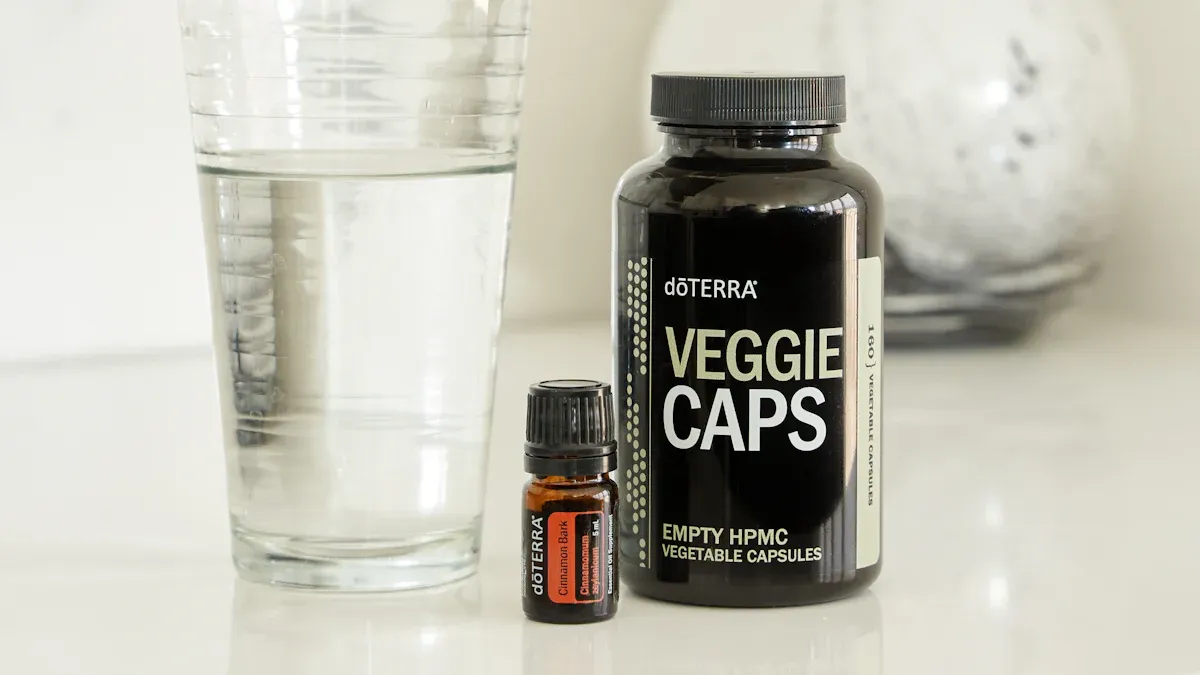
You can find HPMC in lots of things. HPMC means hydroxypropyl methylcellulose. It comes from cellulose, which is a plant fiber. Factories change cellulose to make HPMC. This gives HPMC special features. You see HPMC in medicine, food, makeup, and building stuff. It helps things stay thick and smooth.
There are many thickeners you can pick. Some popular ones are:
Here is a table to compare HPMC and HEMC:
| Property | HPMC | HEMC |
| Structure | Etherification with propylene oxide | Etherification with ethylene oxide |
| Solubility | Non-ionic, good dispersibility | More hydrophilic, stable at high temps |
| Thermal Stability | Moderate | Higher than HPMC |
| Gel Temperature | Lower than HEMC | Higher than HPMC |
| Applications | Thickening, adhesion, water retention | Similar to HPMC |
Thickeners change how liquids act. When you add HPMC, the liquid gets thicker and steadier. This helps products keep their shape and feel. Thickeners are used in many places:
Comparing HPMC with other thickeners shows each one is good at something. You pick the best thickener by thinking about what you need and what you want to make.
Cellulose-based thickeners have different chemical structures. All thickeners start with plant fibers. Factories change these fibers in special ways.
These changes affect how each thickener works. HPMC’s structure helps control thickness and stability better than CMC or MC. You get more flexibility and strength in your products.
Solubility is important when picking a thickener. You want to know how well it mixes with water and other liquids. Here is a table to compare HPMC with other thickeners:
| Thickener | Cold Water | Hot Water | Organic Solvents | pH Range |
| HPMC | Soluble | Forms gel | Slightly soluble | 3-11 |
| HEC | Soluble | Soluble | Slightly soluble | 2-12 |
| MC | Soluble | Forms gel | Slightly soluble | 3-11 |
| CMC | Soluble | Soluble | Insoluble | 4-10 |
| HEMC | Soluble | Forms gel | Slightly soluble | 3-11 |
HPMC dissolves in cold water and forms a gel in hot water. This helps you get the right texture for your product. You can use HPMC in many pH ranges. It works in different places. Comparing HPMC with other thickeners shows HPMC gives more control over viscosity and film-forming.
Viscosity means how thick or thin a liquid feels. You want a thickener that lets you change viscosity for your needs. HPMC gives you good control. You can pick different grades for the thickness you want.
You get better results with HPMC when you need strong sticking and lasting thickness. Comparing HPMC shows it works well in products that need to stay thick and smooth.
You need a thickener that can handle heat. HPMC works well in many places because its gel temperature is 55 to 75 °C.
If you work in construction or need a product that stays strong in warm conditions, HPMC gives reliable performance. Comparing HPMC shows it balances stability and flexibility.
Film-forming and adhesion help products last longer and resist damage. HPMC forms tough, flexible films that protect surfaces.
In medicine, HPMC protects drugs and controls how they release. You see better strength and stability with HPMC than with CMC. Comparing HPMC with other thickeners shows HPMC leads in film-forming and adhesion, making it a top choice for many industries.
HPMC is used in many building materials. It helps tile adhesives and cement keep water longer. This stops mixtures from drying too fast. You get more time to move tiles or bricks. HPMC makes mortars thicker and smoother. Tiles stick better and do not fall off easily. The table below shows how HPMC and other thickeners work in construction:
| Property | HPMC | HEC/MC/CMC/HEMC |
| Water Retention | High | Lower |
| Thickening | Effective | Varies |
| Workability | Enhanced | Less effective |
| Adhesion Promotion | Strong | Less effective |
| Chemical Stability | High | Lower |
HPMC holds water at 90–95%. HEC holds water at 85–90%. HPMC gives stronger and more stable mixes. It also resists chemicals and heat. This helps your building projects last longer.
HPMC is found in many tablets and capsules. It controls how fast medicine dissolves in your body. You can use less HPMC and still get good results. HPMC keeps its thickness even if it gets hot or cold. It works for both fast and slow-release medicines. The table below shows how HPMC works in drug products:
| Advantage | HPMC | HEC/MC/CMC/HEMC |
| Water Retention | Superior | Moderate |
| Viscosity Consistency | Consistent | Variable |
| Dosage Efficiency | Effective | Less efficient |
| Shelf Life | Longer | Shorter |
| Environmental Impact | Biodegradable | Less eco-friendly |
| Compatibility with Ingredients | Excellent | Varies |
HPMC is safe and comes from plants. It helps medicine stay fresh and work well.
HPMC makes food thick, smooth, and stable. It holds water well and forms good films. Sauces and baked goods keep their shape with HPMC. It works better than CMC or HEC for texture. In gluten-free bread, HPMC helps bread rise higher and feel softer. People like the taste and texture more with HPMC. The table below shows how HPMC compares in food:
| Compound | Viscosity Control | Water Retention | Film-Forming Properties | Applications |
| HPMC | Superior | Excellent | Good | Food, Pharmaceuticals |
| CMC | Limited | Moderate | Limited | Food, Pharmaceuticals |
| HEC | Good | Good | Good | Personal Care, Paints |
| MC | Superior | Excellent | Limited | Food, Pharmaceuticals |
You get better bread and cakes with HPMC. This is great for gluten-free foods.
HPMC is used in lotions, creams, and gels. It keeps products thick and smooth. HPMC helps creams stay stable for a long time. It works well even in hot places. HPMC also mixes well with other ingredients. The table below shows how HPMC helps in cosmetics:
| Thickener | Stability Characteristics |
| HPMC | High storage, thermal, and ionic stability |
| Xanthan Gum | Similar or superior in some conditions |
HPMC keeps your cosmetic products safe and easy to use. When you compare HPMC with other thickeners, HPMC works better in most cases.
When you choose a thickener, cost matters. HPMC can cost more than some other thickeners, but you get value for your money. You can see how different factors affect cost-effectiveness in the table below:
| Factor | Impact on Cost-Effectiveness |
| Viscosity Grades | Higher grades may increase processing time and costs |
| Production Efficiency | Lower viscosity grades may save time and energy |
| Product Performance | Cost savings must be balanced with product quality |
You may pay more for high-grade HPMC, but you often use less because it works well at low doses. This means you can save money in the long run, especially in large factories.
You want products that are good for the planet. HPMC comes from plants, not animals. This matches new trends in green manufacturing. HPMC lasts a long time on the shelf and you only need a small amount. These features make HPMC more sustainable than thickeners like gelatin or starch. You help the environment when you choose HPMC because it breaks down naturally and does not add to pollution.
Tip: HPMC does not create microplastics, so you support cleaner water and soil.
You need a thickener that is easy to handle. HPMC dissolves in water and works in many products. You can mix HPMC powder with dry materials for 5–10 minutes. When you add water, heat helps HPMC dissolve. You can use mixers like ribbon blenders or high-shear mixers for best results. HPMC stays stable in a wide pH range, so you do not worry about changes in your formula.
You want safe products for your customers. HPMC is safe and approved by the FDA. It is on the GRAS (Generally Recognized as Safe) list for food and medicine. You can use HPMC in tablets, eye drops, and foods without worry. HPMC is non-toxic and does not cause allergies. It breaks down in nature and does not harm the environment. Many countries trust HPMC because it meets strict safety rules.
You can use this table to see how HPMC compares with other thickeners. The table shows important properties and how each thickener works in different uses.
| Property / Use | HPMC | HEC | MC | CMC | HEMC |
| Source | Plant fiber | Plant fiber | Plant fiber | Plant fiber | Plant fiber |
| Water Solubility | High | High | High | High | High |
| Viscosity Control | Excellent | Good | Good | Moderate | Good |
| Thermal Stability | Good | Moderate | Good | Low | Excellent |
| Film-Forming | Strong | Moderate | Moderate | Weak | Strong |
| Adhesion | Strong | Moderate | Moderate | Weak | Strong |
| Water Retention | Excellent | Good | Good | Moderate | Excellent |
| pH Stability | Wide Range | Wide Range | Wide Range | Moderate | Wide Range |
| Main Uses | Construction, Food, Pharma, Cosmetics | Paints, Cosmetics | Food, Pharma | Food, Toothpaste | Construction, Cosmetics |
Tip: You can use this table to help you choose the right thickener for your project.
The Comparison of HPMC with other thickeners helps you see which one fits your needs best.
You should choose HPMC when you need a thickener that works in many products. HPMC gives you strong water retention and stable viscosity. You can use it in construction, food, pharmaceuticals, and cosmetics. HPMC helps you get smooth textures and strong films. It also keeps your products from drying out too fast.
Here are some situations where HPMC is the best choice:
Tip: HPMC works well if you need a product that stays stable in different temperatures and pH levels.
You can see the benefits of HPMC in this table:
| Need | Why Choose HPMC? |
| Water retention | Keeps mixtures moist |
| Film-forming | Makes strong coatings |
| Adhesion | Improves sticking power |
| Versatility | Fits many applications |
HPMC does not fit every situation. You may find some limits when you use it.
Note: Always test HPMC in your formula before you use it in large batches.
You should think about your needs, your budget, and your product’s requirements before you choose HPMC. If you need a thickener that is safe, plant-based, and works in many ways, HPMC is a smart choice.
You have learned about how HPMC compares to other thickeners. HPMC works well and stays stable in many products. It is a good choice if you need to keep water in, make things stick, or form films. Sometimes, other thickeners are cheaper or work better with heat. You should always think about what your product needs, how much you can spend, and safety rules before picking one.
You get strong water retention, stable viscosity, and good film-forming with HPMC. It works in many products. You can use it in food, construction, cosmetics, and medicine. HPMC often gives you better results than other thickeners.
Yes, you can. HPMC is safe for food and medicine. The FDA approves it. You find it in tablets, capsules, and gluten-free bread. It does not cause allergies or harm your body.
You should add HPMC powder to cold water and stir well. HPMC dissolves best when you mix it slowly. Warm water helps it dissolve faster. You get a smooth, thick solution.
HPMC comes from plant fibers. You help the environment when you use it. HPMC breaks down naturally and does not pollute water or soil. You support green manufacturing by choosing HPMC.


